
The Royal Heritage of Jaipur A Tour Package , Have you ever dreamed of stepping into a world where history whispers through every stone, where palaces stand tall with stories of valor, and where culture dances in vibrant hues? Welcome to Jaipur, the Pink City of India, a destination that doesn’t just show you history—it lets you live it.
Jaipur is more than just a city; it’s an experience wrapped in terracotta-colored buildings, bustling bazaars, and royal grandeur. Founded in 1727 by Maharaja Sawai Jai Singh II, this capital of Rajasthan has preserved its regal charm while embracing modernity. The city earned its “Pink” nickname in 1876 when it was painted in terracotta pink to welcome the Prince of Wales. Today, that tradition continues, making Jaipur a visual masterpiece.
Why Jaipur Should Be on Your Travel Bucket List
The Royal Heritage of Jaipur A Tour Package , Why should you choose Jaipur for your next adventure? Simple. It offers something that few destinations can—a genuine connection to royal heritage combined with vibrant contemporary culture. Whether you’re a history buff, an architecture enthusiast, a foodie, or simply someone seeking authentic experiences, Jaipur delivers on all fronts.
The city is part of India’s Golden Triangle tourist circuit, alongside Delhi and Agra, making it easily accessible and well-connected. But unlike its counterparts, Jaipur offers a unique blend of fortresses, palaces, and living traditions that make you feel like you’ve traveled back in time.
Understanding Jaipur’s Royal Heritage
The Maharajas and Their Legacy
Jaipur’s royal heritage is deeply intertwined with the Kachwaha Rajput dynasty, whose rulers transformed this region into a cultural and architectural powerhouse. The Maharajas weren’t just warriors; they were patrons of art, astronomy, and architecture. Their vision created a city that followed Vastu Shastra principles, making Jaipur one of India’s first planned cities.
The royal family still resides in a portion of the City Palace, maintaining traditions that stretch back centuries. This living heritage makes Jaipur unique—you’re not just visiting museums; you’re witnessing a continuing legacy.
Architectural Marvels That Define Jaipur
Jaipur’s architecture is a stunning fusion of Mughal, Rajput, and European styles. The city’s structures showcase intricate jali work (latticed screens), grand courtyards, and ornate frescoes. Each building tells a story of strategic brilliance, artistic excellence, and royal ambition.
From hilltop fortresses offering panoramic views to delicate palaces designed for royal women, Jaipur’s architecture is a testament to human creativity and engineering prowess that still amazes modern-day visitors.
What Makes a Royal Heritage Tour Package Special?
Curated Experiences
A royal heritage tour package isn’t just about ticking off tourist spots. It’s about immersive experiences that connect you deeply with Jaipur’s soul. These packages often include elephant rides at Amber Fort, private viewings of royal artifacts, traditional Rajasthani meals in heritage properties, and cultural performances that bring history alive.
The best packages understand that travel is personal. They balance structured itineraries with free time, allowing you to explore at your own pace while ensuring you don’t miss the essentials.
Expert Guides and Historical Insights
What transforms a good tour into an unforgettable one? Knowledge. Expert guides who don’t just recite facts but weave narratives that transport you through time. They share legends of bravery, tales of romance, and secrets hidden in architectural details that you’d otherwise miss.
These guides help you understand the context—why a particular fort was built, how royal women observed street festivals from hidden windows, or what astronomical calculations were performed in ancient observatories.
Key Attractions Included in the Tour Package
Amber Fort – A Majestic Hilltop Fortress
Perched on a hilltop overlooking Maota Lake, Amber Fort is Jaipur’s crown jewel. This UNESCO World Heritage Site blends Hindu and Muslim architectural elements, creating spaces of breathtaking beauty. The Sheesh Mahal (Mirror Palace) dazzles with thousands of tiny mirrors that once reflected candlelight, creating a starlit effect.
The fort’s strategic location, elaborate defense mechanisms, and luxurious private quarters showcase both military might and refined royal living. The elephant ride up the fort’s ramparts remains one of Jaipur’s most iconic experiences.
City Palace – The Heart of Jaipur’s Royalty
Located in the old city’s heart, the City Palace complex is where past meets present. Part museum, part royal residence, this sprawling complex features courtyards, gardens, and buildings that house an incredible collection of royal artifacts, textiles, weapons, and manuscripts.
The Chandra Mahal, still home to Jaipur’s royal family, offers a glimpse into contemporary royal life while maintaining its historical character. The City Palace Museum displays royal costumes, including a garment that belonged to Maharaja Sawai Madho Singh I, who stood seven feet tall and weighed over 250 kilograms.
Hawa Mahal – The Palace of Winds
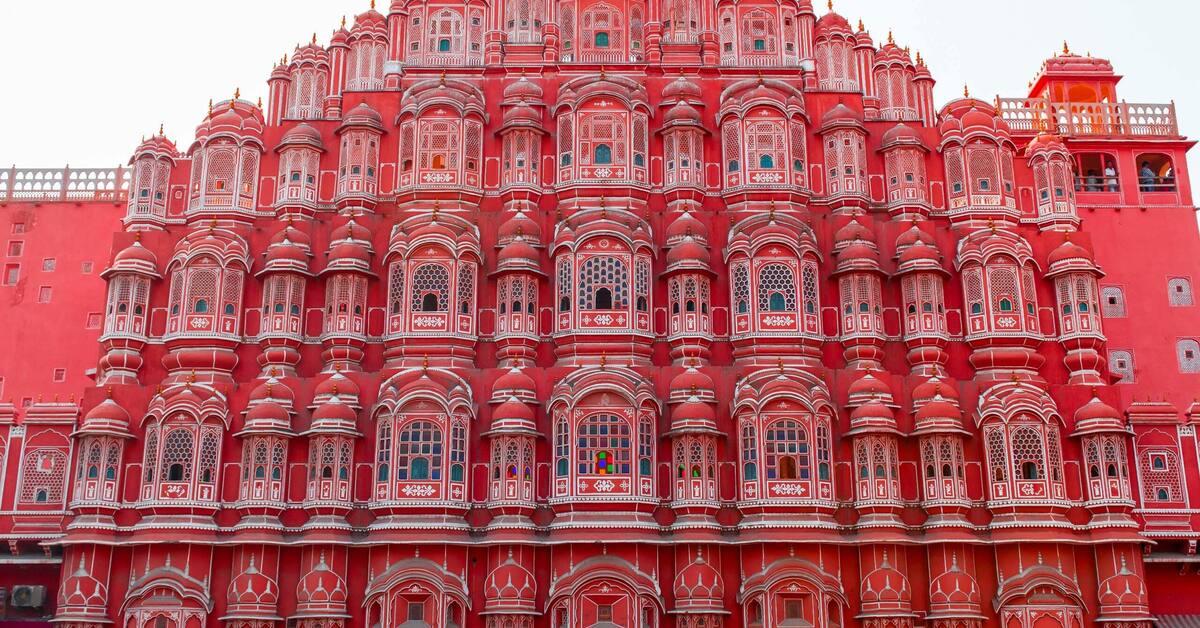
Standing five stories high with 953 small windows called jharokhas, Hawa Mahal is Jaipur’s most photographed monument. Built in 1799, this unique structure allowed royal women to observe street life and festivals while remaining unseen, adhering to the purdah system practiced at the time.
The honeycomb design isn’t just beautiful—it’s functional. The ventilation created by hundreds of windows kept the palace cool during Rajasthan’s scorching summers, hence the name “Palace of Winds.”
Jantar Mantar – An Astronomical Wonder
Science meets architecture at Jantar Mantar, another UNESCO World Heritage Site. Built by astronomer-king Maharaja Sawai Jai Singh II between 1727 and 1734, this observatory houses the world’s largest stone sundial and nineteen astronomical instruments.
These massive structures, built from local stone and marble, can still accurately predict eclipses, track stars, and determine celestial altitudes and declinations. It’s a reminder that Jaipur’s rulers valued scientific knowledge as much as military prowess.
Nahargarh Fort – The Tiger’s Abode
Overlooking Jaipur from the Aravalli hills, Nahargarh Fort offers spectacular sunset views of the Pink City. Originally built as a defense fortification, it later became a retreat for the royal family. The fort’s extended walls connected it to Jaipur Fort, creating an impressive defense network.
The fort features a unique suite of twelve identical rooms built for the king’s queens, each with its own kitchen and toilet facilities. The architecture ensures privacy while maintaining unity—a physical representation of the royal household’s structure.
Experiencing Jaipur’s Cultural Richness
Traditional Rajasthani Cuisine
How can you truly know a place without tasting it? Rajasthani cuisine reflects the region’s history and climate—robust flavors, minimal water usage in cooking, and preservation techniques developed for desert conditions.
Dal baati churma, laal maas, gatte ki sabzi, and ker sangri are must-try dishes. Heritage tour packages often include meals at traditional restaurants or even dining experiences at heritage hotels where royal family recipes are prepared. Don’t forget to sample ghewar and mawa kachori—sweets that define Jaipur’s culinary identity.
Local Handicrafts and Shopping
Jaipur is a shopper’s paradise, especially for those seeking authentic handicrafts. The city is famous for block printing, blue pottery, precious and semi-precious stones, jewelry, and textiles. Markets like Johari Bazaar, Bapu Bazaar, and Tripolia Bazaar pulse with energy and color.
Many tour packages include visits to workshops where you can watch artisans create these treasures using techniques passed down through generations. It’s not just shopping; it’s cultural education and supporting local craftspeople.
Best Time to Visit Jaipur
Timing can make or break your Jaipur experience. The ideal time to visit is between October and March when temperatures range from pleasant to cool. Winters (November to February) offer the most comfortable weather, with daytime temperatures around 20-25°C.
Summer (April to June) can be brutally hot, with temperatures soaring above 40°C, making outdoor exploration challenging. Monsoon (July to September) brings some relief but also humidity and occasional flooding.
If you’re interested in cultural festivals, plan around events like the Jaipur Literature Festival (January), Gangaur Festival (March/April), or Teej Festival (July/August). These celebrations add extra vibrancy to your royal heritage experience.
Accommodation Options: Living Like Royalty
Where you stay in Jaipur can elevate your entire experience. The city offers accommodation options ranging from budget hostels to opulent palace hotels that were once actual royal residences.
Heritage hotels like Rambagh Palace, Samode Haveli, and Alsisar Haveli offer authentic royal experiences with modern amenities. These properties maintain original architecture, furnishings, and even some royal family traditions, allowing you to literally live like maharajas.
Mid-range options include boutique hotels in restored havelis, offering charm and character without the palace price tag. Budget travelers can find comfortable accommodations near major attractions, ensuring accessibility without compromising location.
Sample Itinerary for a Royal Heritage Tour
Day 1: Arrival and City Introduction Arrive in Jaipur, check into your heritage hotel, and spend the evening exploring the local markets. Enjoy a welcome dinner featuring traditional Rajasthani cuisine.
Day 2: Forts and Palaces Begin with an early morning visit to Amber Fort, including an elephant ride. Afternoon visits to Nahargarh Fort for panoramic views and sunset. Evening cultural performance with dinner.
Day 3: Architectural Wonders Explore City Palace and its museums. Visit Jantar Mantar to understand ancient astronomy. Stop at Hawa Mahal for photographs. Evening shopping tour in traditional bazaars.
Day 4: Cultural Immersion Visit local artisan workshops to see block printing, jewelry making, and pottery. Cooking class featuring Rajasthani dishes. Farewell dinner at a heritage restaurant.
Day 5: Departure Morning leisure time for last-minute shopping or relaxation before departure.
Travel Tips for Your Jaipur Journey
Planning makes perfect, especially when visiting a historically rich destination like Jaipur. Here are practical tips to enhance your experience:
Dress appropriately: While Jaipur is tourist-friendly, modest clothing is appreciated, especially at religious sites. Comfortable walking shoes are essential as many attractions involve considerable walking on uneven surfaces.
Stay hydrated: Rajasthan’s climate can be deceptive. Carry water, especially during summer months, and use sunscreen generously.
Bargaining is expected: In markets and with auto-rickshaw drivers, negotiation is part of the culture. Start at about half the quoted price and work upward.
Respect photography rules: Some palace sections and museums prohibit photography or charge fees. Always ask before clicking.
Book in advance: Popular attractions can get crowded, especially during peak season. Pre-booking tickets and experiences saves time and sometimes money.
How to Book Your Royal Heritage Tour Package
Ready to embark on your royal adventure? Booking your Jaipur heritage tour package has never been easier. Multiple options cater to different preferences and budgets.
Travel agencies: Both international and India-based travel agencies offer Jaipur packages, often combined with other Golden Triangle destinations. These provide convenience and structured experiences.
Online platforms: Websites like MakeMyTrip, Yatra, and TripAdvisor offer customizable packages with user reviews helping you make informed decisions.
Direct bookings: Many heritage hotels offer their own tour packages, combining accommodation with curated experiences. These often provide better value and more personalized service.
Customized tours: Local tour operators can create bespoke itineraries matching your specific interests, whether that’s architecture, cuisine, textiles, or photography.
When booking, consider what’s included—accommodation, meals, entrance fees, transportation, and guide services. Read cancellation policies carefully and check if the package offers flexibility for personal exploration time.
Conclusion
The Royal Heritage of Jaipur A Tour Package , Jaipur isn’t just a destination; it’s a journey through time, culture, and royal grandeur. A royal heritage tour package offers more than sightseeing—it provides meaningful connections to a living legacy that continues to inspire and amaze. From the architectural brilliance of its forts and palaces to the vibrant culture expressed through cuisine, crafts, and traditions, Jaipur delivers experiences that linger long after you’ve returned home.
Whether you’re watching the sunset from Nahargarh Fort, marveling at the mirror work in Amber Fort’s Sheesh Mahal, or savoring dal baati churma in a heritage restaurant, every moment in Jaipur adds another layer to your understanding of India’s royal past. The Pink City welcomes you with open gates, ready to share its stories, secrets, and splendor.
So why wait? Start planning your royal heritage tour to Jaipur today. After all, some experiences shouldn’t remain on bucket lists—they deserve to become cherished memories.
FAQs
1. How many days are ideal for a Jaipur royal heritage tour?
A comprehensive royal heritage tour of Jaipur typically requires 3-4 days. This allows enough time to explore major attractions like Amber Fort, City Palace, Hawa Mahal, and Jantar Mantar without rushing, while also experiencing the city’s culture through its markets, cuisine, and artisan workshops. If you’re combining Jaipur with other Golden Triangle cities, allocate at least 2-3 full days specifically for Jaipur.
2. Are royal heritage tour packages suitable for families with children?
Absolutely! Jaipur’s royal heritage tours are family-friendly and educational. Children often love the elephant rides at Amber Fort, exploring fort corridors, and learning about astronomical instruments at Jantar Mantar. Many tour packages can be customized to include shorter walking segments and more interactive experiences suitable for younger travelers. Heritage hotels often provide special amenities and activities for children as well.
3. What is the approximate cost of a royal heritage tour package to Jaipur?
Costs vary significantly based on accommodation level, tour duration, and inclusions. Budget packages start around $200-300 per person for 3 days, mid-range options run $500-800, while luxury heritage hotel packages with premium experiences can exceed $1,500-2,000 per person. These typically include accommodation, some meals, guided tours, entrance fees, and transportation. Customized private tours cost more than group packages.
4. Can I experience royal hospitality in Jaipur without staying in expensive palace hotels?
Yes, definitely! While palace hotels offer authentic royal experiences, many mid-range heritage hotels and restored havelis provide similar architectural beauty and cultural ambiance at more accessible prices. Additionally, some tour packages include special dining experiences at palace hotels or heritage restaurants where you can enjoy royal cuisine and ambiance without overnight stays. Day visits to palace hotels for high tea or meals are also popular options.
5. Is it safe to travel to Jaipur, and what precautions should I take?
Jaipur is generally safe for tourists, including solo travelers and women. However, standard travel precautions apply: use registered taxis or hotel-arranged transportation, be cautious in crowded markets, don’t display expensive jewelry or electronics prominently, and avoid isolated areas after dark. Stay in reputable accommodations, drink bottled water, and be aware of common tourist scams like overpriced rickshaws or aggressive gem dealers. Reputable tour packages typically include reliable transportation and guides, adding an extra layer of security and convenience.




Comments are closed.